
Telma Har
Traumatic tension
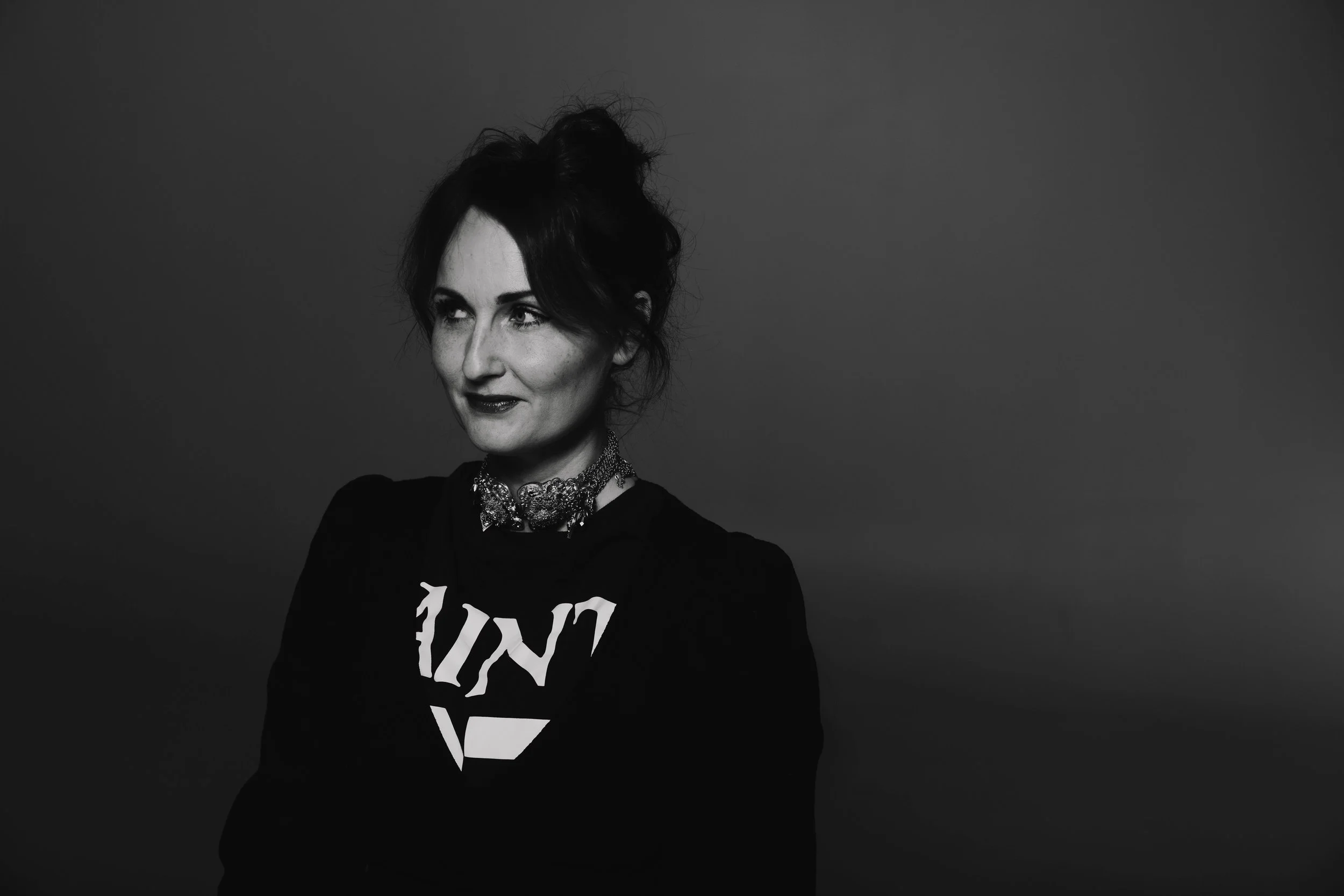
Telma Har (1985) has studied at the Photography School and has participated in exhibitions both in Iceland and abroad. She works with photography in the form of collages, digital media, and sculpture, with a focus on exploring identity and the relationship between inner experience and visual representation.
She draws inspiration from personal experiences of stress, caregiving, and emotional tension. In her work, she examines the boundaries between strength and vulnerability, as well as the often invisible labor involved in responsibility and care. These themes appear both directly and metaphorically, where a surrealist approach helps shape reality and reflect the inner world rather than external facts.
The body plays a key role in her work, appearing simultaneously as a site, a landscape, and a narrative. Through various media, she seeks to give form and material presence to internal experiences. Humor is also an important element, serving as a counterbalance to heavier subject matter and as a way to create distance and open up new interpretations.
For her, art is a method of processing and understanding—a way to hold, transform, and communicate experiences that can be difficult to articulate.
Telma is a member of FÍSL and SÍM.
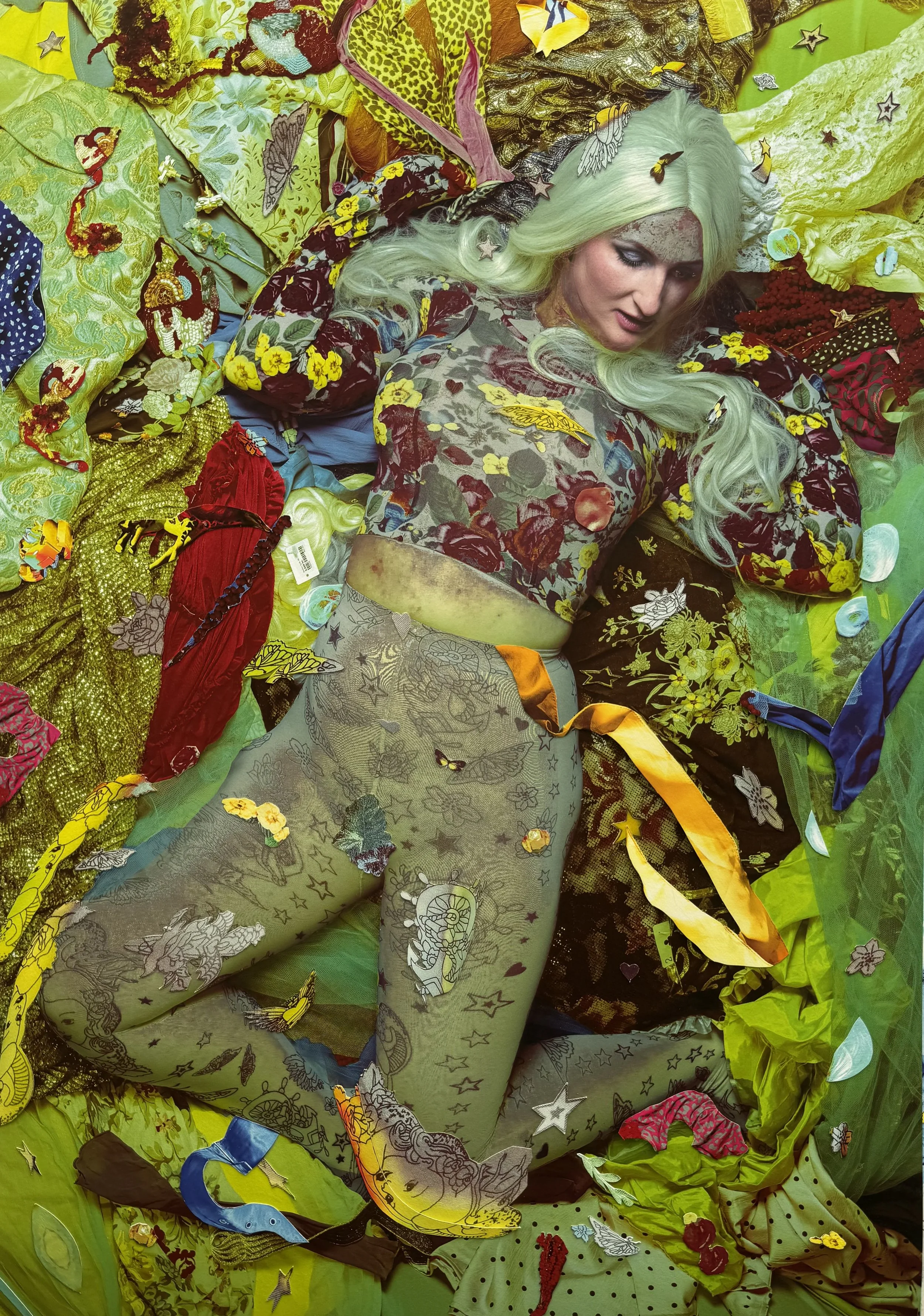
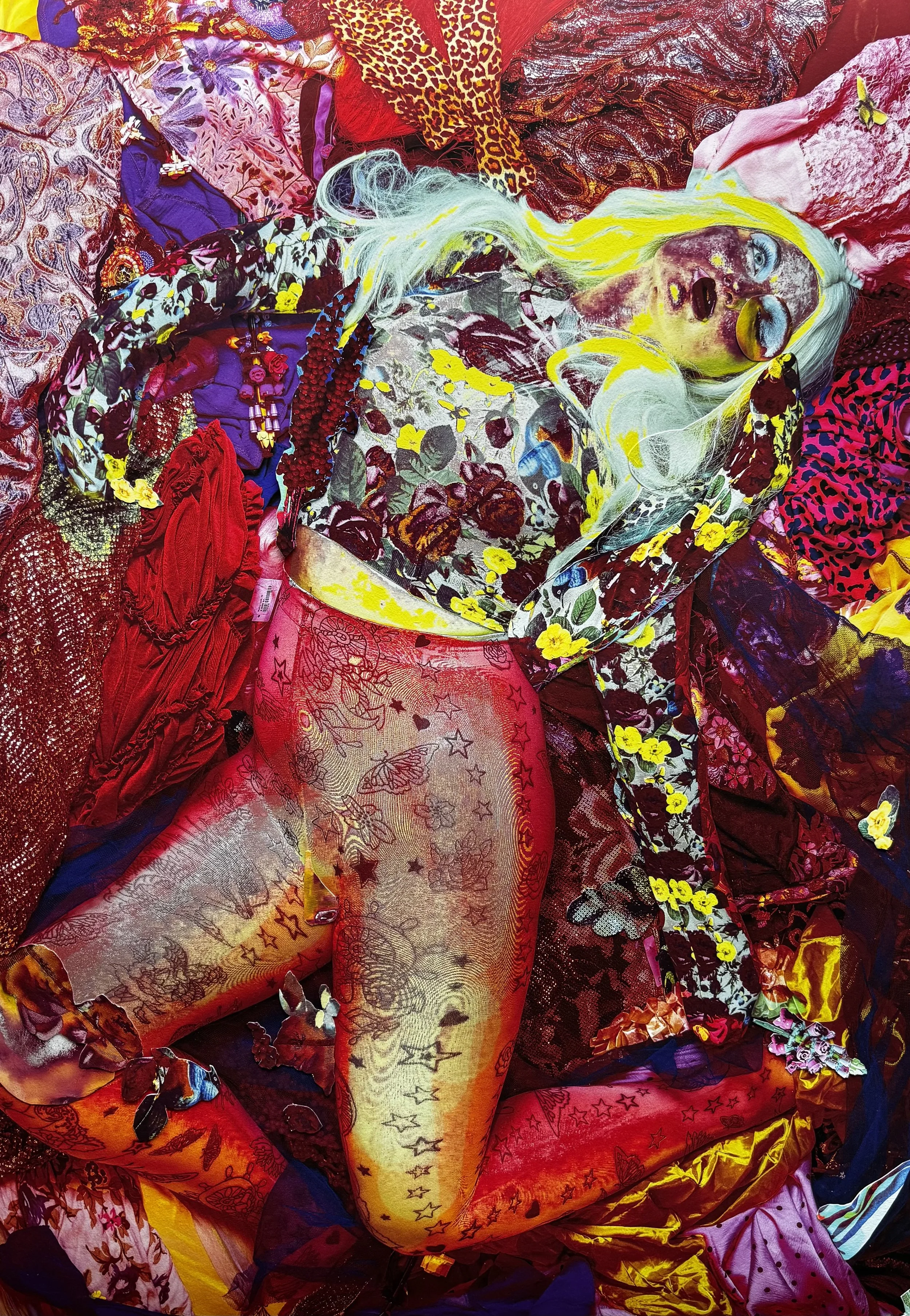
My works in this exhibition span photography in the form of collages, a video game, and sculpture. Across all media, I explore identity—not as something fixed, but as a fragmented, ever-changing process. The identities are repeated, broken apart, and reassembled, much like the experiences from which they emerge. The works also carry a surreal quality, where reality is stretched, distorted, and recreated to reflect inner states rather than external facts.
The exhibition is based on personal experiences of stress, anxiety, burnout, and psychological trauma. It arises from trying to maintain balance between many demanding roles: being in a relationship with a partner struggling with alcoholism, raising a child with a disability, guiding a daughter into adolescence, and managing full-time work alongside studies. These are circumstances that intertwine and create a state of constant tension, where the boundaries between strength and vulnerability become blurred.
This experience appears in the works both directly and metaphorically. The body becomes at once a site, a landscape, and a narrative. It is broken down, rebuilt, and multiplied. The video game addresses the experience of navigating systems as a parent of a child with a disability, presenting it as a journey through an altered reality where the rules are unclear and progress requires constant adaptation.
The sculpture brings this inner experience into physical space, giving it form and material presence.
The works are not only about strain, but also about resilience and survival. They shed light on the invisible labor of care, responsibility, and emotional effort that often takes place quietly. At the same time, they are an attempt to create meaning from experiences that might otherwise feel overwhelming.
Despite the weight of the subject matter, humor also plays an important role in the works. It appears as a counterbalance—a way to cope with difficult circumstances, create distance, and open up alternative interpretations.
For me, art is a way of processing, a form of self-therapy. Through creation, I am able to hold onto what I find difficult to articulate, place it in context, and share it with others. In this way, the exhibition becomes both a personal narrative and an open space for empathy, reflection, and understanding.